Key Stages of Video Production Explained
- Aaron Bolding

- Apr 21
- 4 min read
Video production can seem like a big, complicated process. But when you break it down, it’s a clear path from an idea to a finished video. Understanding the key stages helps businesses and organizations create videos that truly connect with their audience. Whether you want to boost your brand or improve internal communications, knowing these steps makes the journey smoother and the results stronger.
Let’s walk through the main stages of video production and see how each part fits together. Along the way, I’ll share examples of services that can help you at different points in the process.

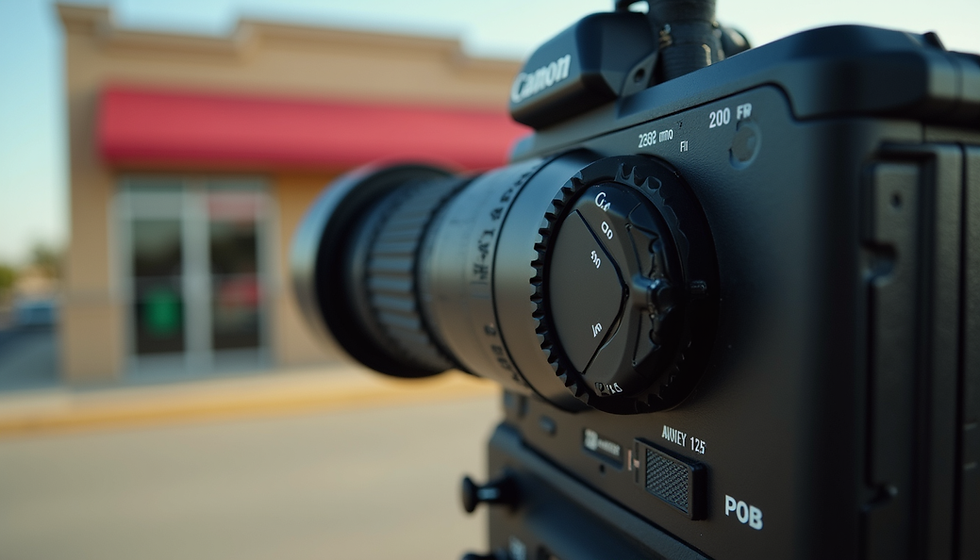
Video production starts with the right equipment and planning.
Pre-Production: Planning Your Video
The first stage is all about planning. This is where you decide what your video will say and how it will look. Skipping this step can lead to confusion and wasted time later.
Define Your Goals
Start by asking what you want your video to achieve. Are you introducing a new product? Sharing a story about your company? Or training your team? Clear goals guide every decision.
Write a Script and Create a Storyboard
A script lays out the words and actions. It keeps everyone on the same page. A storyboard is like a comic strip showing each scene. It helps visualize the flow and timing.
Plan the Shoot
Choose locations, actors, and equipment. Schedule the shoot days and organize the crew. This step sets the stage for smooth filming.
For example, Boldview Media offers expert pre-production services that help businesses in Oklahoma plan every detail. Their team works closely with clients to craft scripts and storyboards that fit the brand’s voice and goals.
Production: Filming the Video
This is the action stage. The cameras roll, and the story comes to life.
Set Up the Scene
Lighting, sound, and camera angles are all set up to capture the best shots. Good lighting and clear sound make a big difference in quality.
Directing and Filming
The director guides actors and crew to get the right performances and shots. Multiple takes may be needed to capture everything perfectly.
Capture B-Roll
B-roll is extra footage that supports the main story. It can be shots of the environment, close-ups, or behind-the-scenes clips.
Using professional video production equipment and experienced crews ensures the footage looks polished. Boldview Media’s production team in Oklahoma uses high-quality cameras and sound gear to deliver crisp, clear videos.

Editing brings all the pieces together into a smooth story.
Post-Production: Editing and Final Touches
After filming, the work moves to editing. This stage shapes the raw footage into a finished video.
Editing the Footage
Editors cut and arrange clips to tell the story clearly and keep viewers engaged. They remove mistakes and add transitions.
Adding Effects and Graphics
Visual effects, text overlays, and animations can highlight key points or add style. Color correction adjusts the look to match the mood.
Sound Design and Music
Good sound design includes cleaning up audio, adding sound effects, and choosing music that fits the tone. Music can make a video more emotional and memorable.
Review and Revisions
The video is shared with the client for feedback. Changes are made until everyone is happy with the final product.
Boldview Media provides full post-production services, including editing and sound design, helping Oklahoma businesses create videos that stand out.
Distribution: Sharing Your Video
Once your video is ready, it’s time to share it with your audience.
Choose the Right Channels
Where will your video have the most impact? Options include your website, social media, email campaigns, or internal platforms.
Optimize for Each Platform
Different platforms have different requirements. For example, videos on social media often need to be shorter and formatted for mobile viewing.
Track Performance
Use analytics to see how your video performs. Views, shares, and engagement help you understand what works and what can improve.

Sharing your video on the right platforms helps reach your audience effectively.
Comparing Video Production Services
When choosing a partner for your video project, consider what each service offers at different stages.
Boldview Media focuses on full-service video production in Oklahoma. They handle everything from planning to post-production, making the process easy for clients.
Other local providers might specialize in just one stage, like filming or editing. This can work if you have in-house resources for the rest.
Some companies offer additional services like animation or drone footage, which can add unique elements to your video.
Choosing a partner that fits your needs and budget is key. For many businesses, working with a full-service team like Boldview Media ensures a smooth process and a strong final product.
Video production is a step-by-step journey. Each stage builds on the last to create a video that tells your story clearly and powerfully. By understanding the key stages and working with the right team, you can make videos that boost your brand and connect with your audience.
If you want to learn more about the video production stages or need help with your next project, consider reaching out to experts who know how to bring your vision to life.
Start planning your video today and watch your message come alive!


Comments